
Lets Change That.
Find Clarity And A Way To Move Forward
Psychological Counselling that provides clear answers, practical tools and measurable progress
CLICK BELOW TO WATCH FIRST!
Professional Memberships & Associations





Getting started is straightforward
Three Steps To Your First Session
Submit Enquiry Form
Fill in the short form and tell us what's been going on.
We Call You
Joe calls you personally — today or the next business day.
Attend Your Session
In person in Geelong or via telehealth — whichever works best for you.
You're In The Right Place If You Want Things To Change
When things feel overwhelming, stuck, or unclear, it's easy to go in circles. We help you understand your patterns, develop effective strategies, and create meaningful change — not just short-term relief.
Understand what's actually driving how you think, feel, and respond
Develop a clearer understanding of yourself and what you need
Create meaningful, lasting change — not just short-term relief
Have more mental space and less constant overthinking
Feel more capable handling whatever comes up
Frequently Asked Questions
We understand that therapy comes with lots of questions
About Therapy
What does a psychologist actually do?
A psychologist provides a structured space to talk through thoughts, emotions, and patterns that may be contributing to stress or difficulty. Sessions focus on understanding what's going on, identifying unhelpful patterns, and developing practical strategies to manage challenges more effectively.
How is therapy different from talking to friends or family?
Therapy is a confidential, structured conversation guided by professional training. The focus is on patterns, strategies, and practical change rather than informal advice or reassurance.
Does coming to therapy mean something is wrong with me?
No. Many people attend therapy to navigate stress, changes in life, or improve coping skills. Seeking support is a practical step rather than a sign of failure.
Will therapy make things feel worse before they feel better?
Talking about difficult topics can sometimes feel uncomfortable. Sessions are paced carefully to keep the process manageable and focused on constructive change.
What if therapy doesn't work for me?
Fit is important. If something is not helpful, it's discussed openly and the approach can be adjusted. You are not obligated to continue if it doesn't feel useful.
Why aren't there reviews or testimonials on your website?
In Australia, psychologists and other health professionals are not permitted to use client testimonials. This protects client privacy and avoids creating unrealistic expectations about outcomes. The first session is an opportunity to get a sense of how we work together and whether the approach feels right for you.
Getting Started
Do I need to have a clear problem before I book?
No. Many people start therapy without a clear explanation of what's wrong. Part of the process is working together to clarify concerns and priorities over the first few sessions.
Do I need a referral?
You do not need a referral from a GP or medical specialist to see a psychologist. However, you will not be able to receive a Medicare rebate without one.
What happens at my first appointment?
The first session usually focuses on understanding your background, current concerns, and goals. You can ask questions about the process and discuss what you would like to get out of therapy. There is no expectation to share everything all at once.
What if I don't know what to say?
That's common. Your psychologist helps guide the conversation. You don't need to prepare or organise your thoughts beforehand.
How Sessions Work
What do we actually talk about in sessions?
Sessions focus on current challenges, relevant past experiences, and patterns that affect how you think, feel, and respond. The content is guided by your priorities and what feels most useful to address.
Will you tell me what to do?
Therapy is collaborative. Rather than giving instructions, the aim is to help you understand your options, learn about your experience of symptoms, develop skills and strategies to try, and make informed decisions about your situation.
How structured are sessions?
Sessions are purposeful and guided by agreed goals. Some people prefer a more structured approach with specific strategies, while others benefit from open exploration. The approach can be adjusted over time.
How long is a therapy session?
50 minutes, plus 10 minutes for your therapist to write notes and complete any administrative tasks.
How often are sessions scheduled?
Many people start with weekly or fortnightly sessions and adjust frequency over time depending on their needs and availability.
Do I have to commit to long-term therapy?
No. Some people attend for a small number of focused sessions, while others choose to work together for longer. This can be reviewed regularly.
How much effort is involved outside of sessions?
Some approaches include practising strategies between sessions. Consistent attendance and active participation tend to support better outcomes.
Progress & Results
How long does it take to see results?
This varies depending on your goals and the issues involved. Some people notice useful shifts within a few sessions while more complex concerns can take longer. Progress is reviewed regularly.
How do I know if therapy is working?
Progress towards your goals is reviewed regularly. Some signs that therapy is helping include clearer understanding of patterns, improved coping, less stress, and changes in how challenges are managed day-to-day.
Fees, Rebates & Practicalities
Can I get a Medicare rebate?
A Mental Health Treatment Plan or a referral from your Paediatrician or Psychiatrist allows you to access up to 10 rebated sessions per calendar year.
Do you accept private health insurance?
Yes. We can process your private health insurance claim for you.
Do you accept NDIS funding?
Yes. We accept NDIS participants whose funding is self-managed or plan-managed. We are unable to accept NDIA managed funding.
Do you offer online or telehealth appointments?
Yes. You can access sessions using our health-compliant, easy-to-use video conferencing system. No software download needed — just click the link in the reminder we send you.
Do you offer in-person appointments?
Yes. We offer in-person appointments at our clinic at 53 Shannon Ave, Manifold Heights, Geelong. Ample free car parking is available outside the clinic.
A Space Designed To Help You Feel At Ease
Calm, private, and welcoming — whether you're coming in for the first time or returning. Telehealth sessions are available if you prefer to connect from home.
A safe, supportive space for trauma, anxiety, depression, & life's difficult moments
Neurodiversity Support
Support for individuals and families navigating ADHD, autism, or other neurodivergent profiles. Sessions focus on understanding strengths and challenges while developing practical strategies that work in everyday life. The aim is greater confidence, clarity, and support that fits the way your brain works.
+ Read moreRelationship Difficulties
Therapy helps you understand the patterns that keep problems repeating and develop clearer, more effective ways of communicating. The goal is stronger relationships and fewer ongoing tensions.
+ Read moreTrauma & PTSD
Therapy provides a structured, supportive space to process what's happened and reduce the impact trauma can have on your life. The focus is on helping you feel safer, steadier, and more in control.
+ Read moreAnger, Irritability & Tension
Therapy helps you understand emotional triggers, manage reactions, and respond calmly under pressure so you can improve relationships, reduce stress, and feel more in control of your emotions.
+ Read moreAnxiety, OCD & Panic
Intrusive thoughts, compulsions, or sudden panic attacks can be overwhelming. Therapy equips you with tools to manage triggers, reduce distress, and regain control over your day-to-day life so you can feel steadier, more confident, and better able to cope.
+ Read moreDepression, Stress & Burnout
Therapy helps you identify what's contributing to stress or burnout and develop strategies to regain energy and balance. You can start feeling lighter, more focused, and capable of handling daily challenges.
+ Read moreYou don't need a diagnosis to get started
Not Sure What To Call It — Just Know Something Needs To Change?
Not everyone who comes to therapy has or needs a diagnosis. Many people simply feel stuck, overwhelmed, or like they're not living the life they want — without being able to put a name to it. That's completely valid. Therapy provides a confidential, non-judgmental space to talk through whatever is on your mind, gain clarity on what's happening, and figure out what you actually want. You don't need to arrive with answers — just a willingness to explore.
+ Read moreProven Approaches, Tailored To Your Needs
Every approach is chosen to match what you're going through. Tap any acronym to learn more.
Tap any approach below to learn what it means
Anxiety, OCD & Panic
Structured approaches to reduce anxious thinking, break avoidance cycles and manage panic.
Trauma & PTSD
Evidence-based frameworks for processing difficult experiences at a pace that feels safe.
Depression, Stress & Burnout
Practical tools to lift mood, rebuild energy and shift unhelpful patterns of thinking.
Relationships, Family & Parenting
Approaches to improve communication, reduce conflict and strengthen family dynamics.
Neurodiversity & Behaviour
Tailored strategies for ADHD, autism, tics and other neurodivergent profiles.
Motivation & Making Change
For when you know something needs to shift but aren't sure how to get there.
Not sure where you fit? That's completely okay. Many people come to therapy without a clear label — just a feeling that something needs to change. We'll work that out together.

Joe Lewsey
Director & Registered Psychologist — Geelong
I started CAYA Psychology because I believed people deserved thoughtful, individualised care — not a rigid formula. Over 12 years and 8,000+ hours of practice, that belief hasn't changed.
I work with children, teens, and adults navigating anxiety, trauma, depression, neurodiversity, and some of life's more difficult moments. My approach is collaborative and practical — grounded in evidence, but always adapted to the person in front of me.
I'm not here to tell you what to do. I'm here to help you understand what's happening and figure out what actually works for you.
I'm likely a good fit if you…
I may not be the right fit if you need…
Joe Lewsey
Director & Registered Psychologist
I started CAYA Psychology because I believed people deserved thoughtful, individualised care, not a rigid formula. Over 12 years and 8,000+ hours of practice, that belief hasn't changed.
I work with children, teens, and adults navigating anxiety, trauma, depression, neurodiversity, and some of life's more difficult moments. My approach is collaborative and practical, grounded in evidence, but always adapted to the person in front of me.
I'm not here to tell you what to do. I'm here to help you understand what's happening and figure out what actually works for you.
[Placeholder Name]
Registered Psychologist
[Placeholder opening line about why they got into psychology or what drew them to this work.]
[Placeholder paragraph on who they work with and their approach, matching the tone and length of Joe's bio.]
[Placeholder closing line, similar in spirit to Joe's, giving a sense of how they work with clients.]
We're likely a good fit if you…
We may not be the right fit if you need…
See Behind The Scenes of Therapy
Watch Joe answer questions from other clinicians.

Why Reassurance Doesn't Work
Joe explains the components of anxiety and why "yeah but what if?" keeps clients stuck — and what actually works instead.
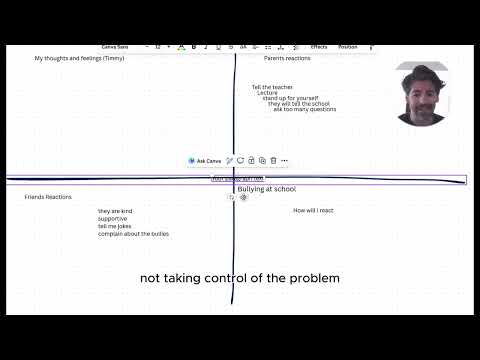
Rolling With Resistance
How to help clients build confidence talking about difficult topics without directly confronting the issue head-on.

Explaining Therapy to Kids
How to orient child clients to therapy and explain the limits of confidentiality in a way that builds trust rather than anxiety.

Play Through The Script
How playing through the script can be a powerful way of processing emotions related to distressing thoughts and feelings.
Copyright 2026. CAYA Psychology. All Rights Reserved.
Congratulations! You've read everything. Here's a joke as a reward:
How many psychologists does it take to change a lightbulb? ... 1, but it has to want to change.